





Evolving Market Demand Is Reshaping TPE Material Requirements
As the global thermoplastic elastomer (TPE) market continues to grow, long-term prospects through 2030 and beyond remain increasingly clear. Recent forecasts indicate the market may maintain solid momentum over the next decade, with some projections suggesting a value approaching USD 50 billion. This reflects the rising importance of TPE materials across modern manufacturing and consumer industries.
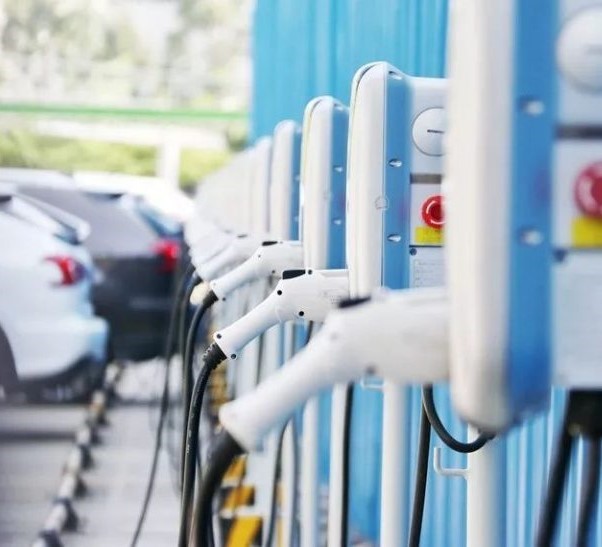
Several key drivers are supporting this expansion. In automotive applications, lightweight design is increasing demand for materials that may reduce weight while maintaining performance. The rapid rise of electric vehicles is also creating new opportunities in seals, cable systems, interior soft parts, and functional components. Medical consumables and healthcare devices are another growth area, as manufacturers seek flexible, skin-contact, and efficient-to-process elastomer materials. Consumer electronics also remains a major driver, with rising demand for soft touch materials in smartphones, wearables, smart accessories, and portable devices.
At the same time, sustainability goals are accelerating interest in recyclable materials that may replace traditional rubber systems in selected applications. As competition moves beyond price, manufacturers are placing greater value on user experience, appearance quality, processing efficiency, and differentiated product design. This shift is not only increasing demand, but also upgrading performance expectations—from mechanical properties to surface experience and structural stability.
However, this evolving market trend is exposing a critical reality: the higher the application standard becomes, the more visible the limitations of conventional TPE materials are.
Core Problem: Why Conventional TPE Materials Fail
Real Manufacturing Pain Points
Although TPE materials are widely used for their flexibility and thermoplastic processability, real-world production often reveals structural limitations that are not visible at the material specification level.
In soft-touch applications, some conventional TPE compounds may show surface tackiness after molding, making parts easier to attract dust, fingerprints, or contamination during storage and assembly. This may increase cleaning workload, reduce finished-product appearance quality, and affect customer perception.
In mass production, some soft TPE grades may also create demolding difficulties, unstable cycle times, or inconsistent surface textures from batch to batch. When product structures become more complex, manufacturers may further encounter bonding limitations in overmolding processes or dimensional variation in thin-wall parts. These issues may reduce line efficiency, increase scrap rates, and extend product launch timelines.
Another common challenge is balancing softness with practical durability. Lower-hardness compounds may improve comfort, but sometimes lead to reduced scratch resistance, weaker grip stability, or a less premium feel after repeated use. For brands targeting higher-end consumer markets, achieving both tactile appeal and production stability remains an important goal.
Root Cause: Why These Problems Persist
These issues are not isolated defects—they originate from the surface design mechanism of conventional TPE systems.
Most soft-touch TPEs rely on:
additive migration
plasticizer redistribution
surface blooming mechanisms
Fundamental limitation:Surface performance is not structurally stable—it depends on continuous migration behavior.Under heat, pressure, or time, surface properties may gradually change.


Material Innovation: Non-Tacky Soft Touch Elastomer Solution
Si-TPV as a Material System Upgrade for TPE Surface Instability & Overmolding Applications
To overcome this structural limitation, a new thermoplastic elastomer material architecture has emerged:
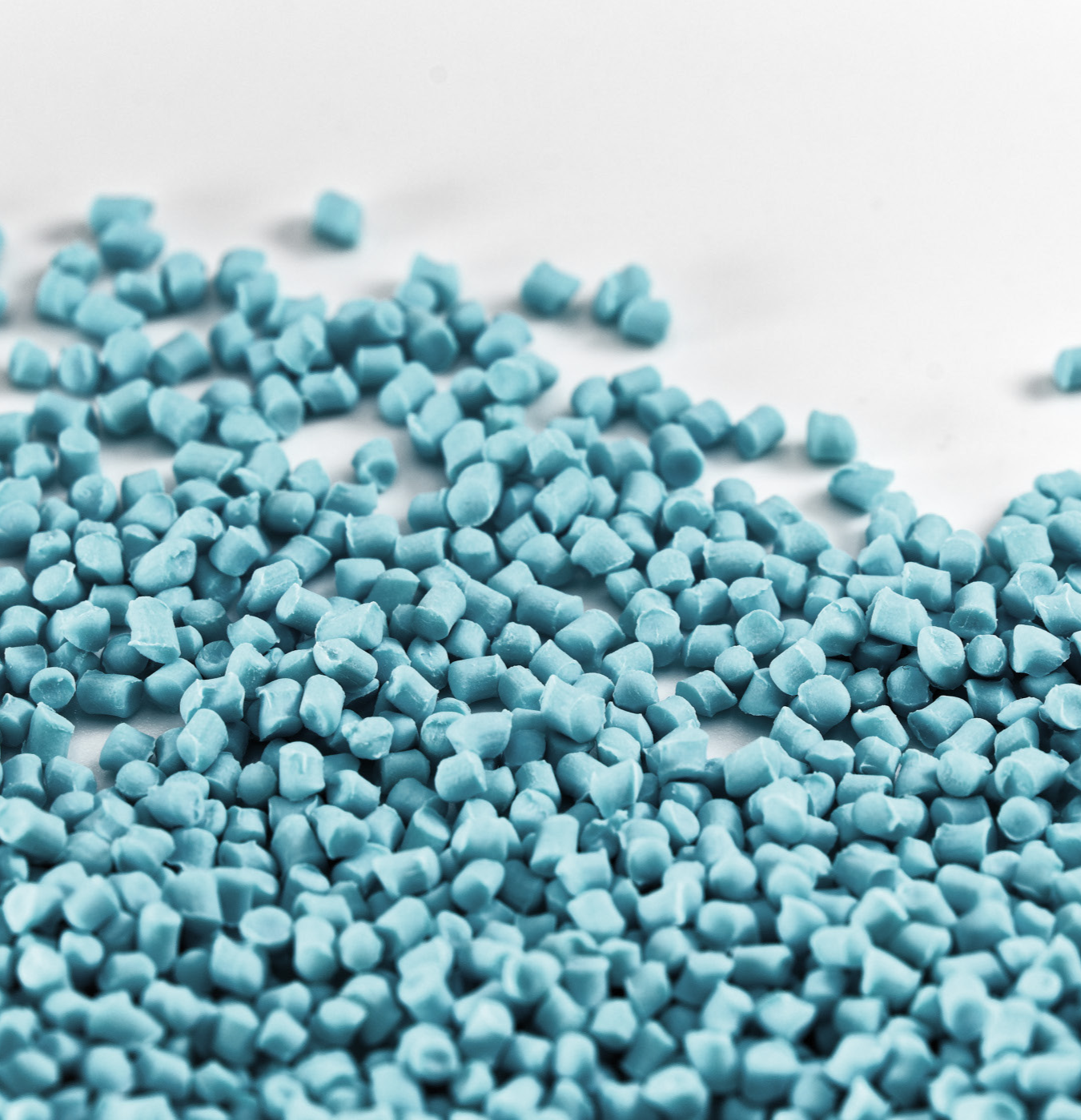
Si-TPV is a cutting-edge dynamic vulcanizate thermoplastic silicone-based elastomer, also known as silicone thermoplastic elastomer, developed by Chengdu SILIKE Technology Co., Ltd. It contains fully vulcanized silicone rubber particles, ranging from 1-3 μm, evenly dispersed in a thermoplastic resin to form a special island structure. In this structure, the thermoplastic resin serves as the continuous phase, while the silicone rubber acts as the dispersed phase. Si-TPV demonstrates superior performance compared to ordinary thermoplastic vulcanized rubber (TPV) and is often referred to as “Super TPV”.
Key Engineering Principle
Unlike conventional TPEs that depend on additive migration:
✭ Si-TPV achieves surface performance through phase structure design
✭ Not through surface additives or blooming systems
Core Advantages
✔ Inherently non-tacky soft-touch surface
✔ Non-migrating, non-blooming structure
✔ Long-term surface stability
✔ Silicone-like tactile feel
✔ Thermoplastic processing efficiency
This structural design eliminates reliance on surface additives, ensuring that soft-touch performance is inherently stable throughout the material lifecycle.
How Si-TPV Solves Real Manufacturing Pain Points?
Si-TPV Solution: From Material to Manufacturing Value
SILIKE Si-TPV 2150 Series, A dynamic vulcanized thermoplastic silicone-based elastomer designed for Soft-touch overmolding applications, Skin-contact consumer products, and High-consistency industrial production
Surface Performance Stability
Dry, silky, non-tacky touch
Reduced dust and fingerprint adhesion
Stable appearance over product lifecycle
Improves product appearance consistency and reduces rejection rate
Processing Efficiency
Pellet-based thermoplastic processing
Stable injection molding behavior
Excellent batch repeatability
Suitable for automated high-volume production
Overmolding Design Capability
Strong adhesion to PC / ABS / PA substrates
Enables soft + hard integrated structures
Reduces secondary assembly steps
Application-Based Engineering Decision Logic
Si-TPV is particularly suitable when the design requirement includes:
✔ Skin-contact comfort
✔ Premium tactile perception
✔ Dust-free surface stability
✔ Overmolding structural integration
✔ Long-term appearance consistency
These applications share a common requirement: stable surface feel under repeated touch, environmental exposure, and mass production conditions.
Key Application Areas:
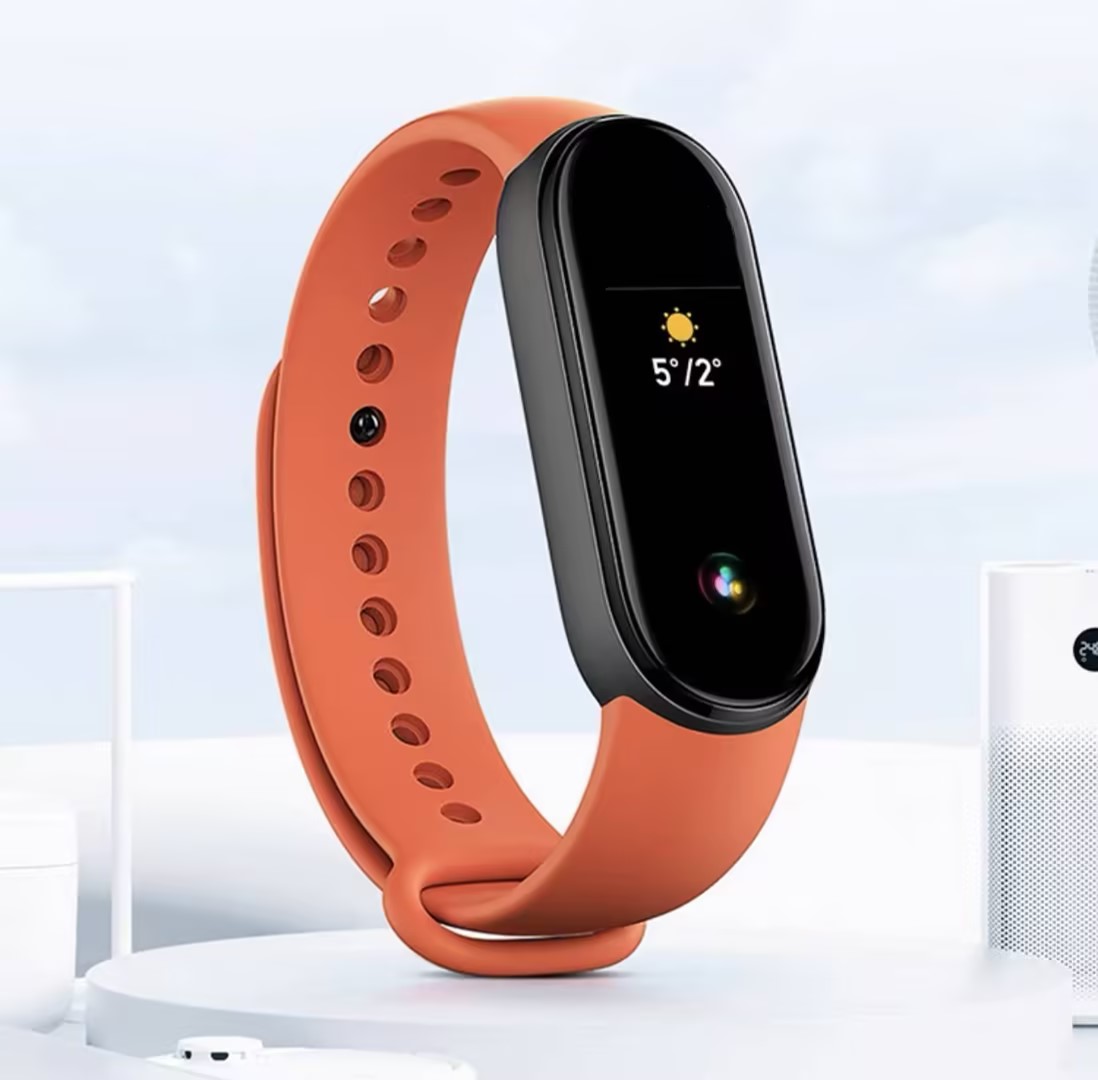
✭Wearable devices (watch straps, bands, VR accessories)
✭Consumer electronics (grips, housings, controllers)
✭Automotive interiors (soft-touch components)
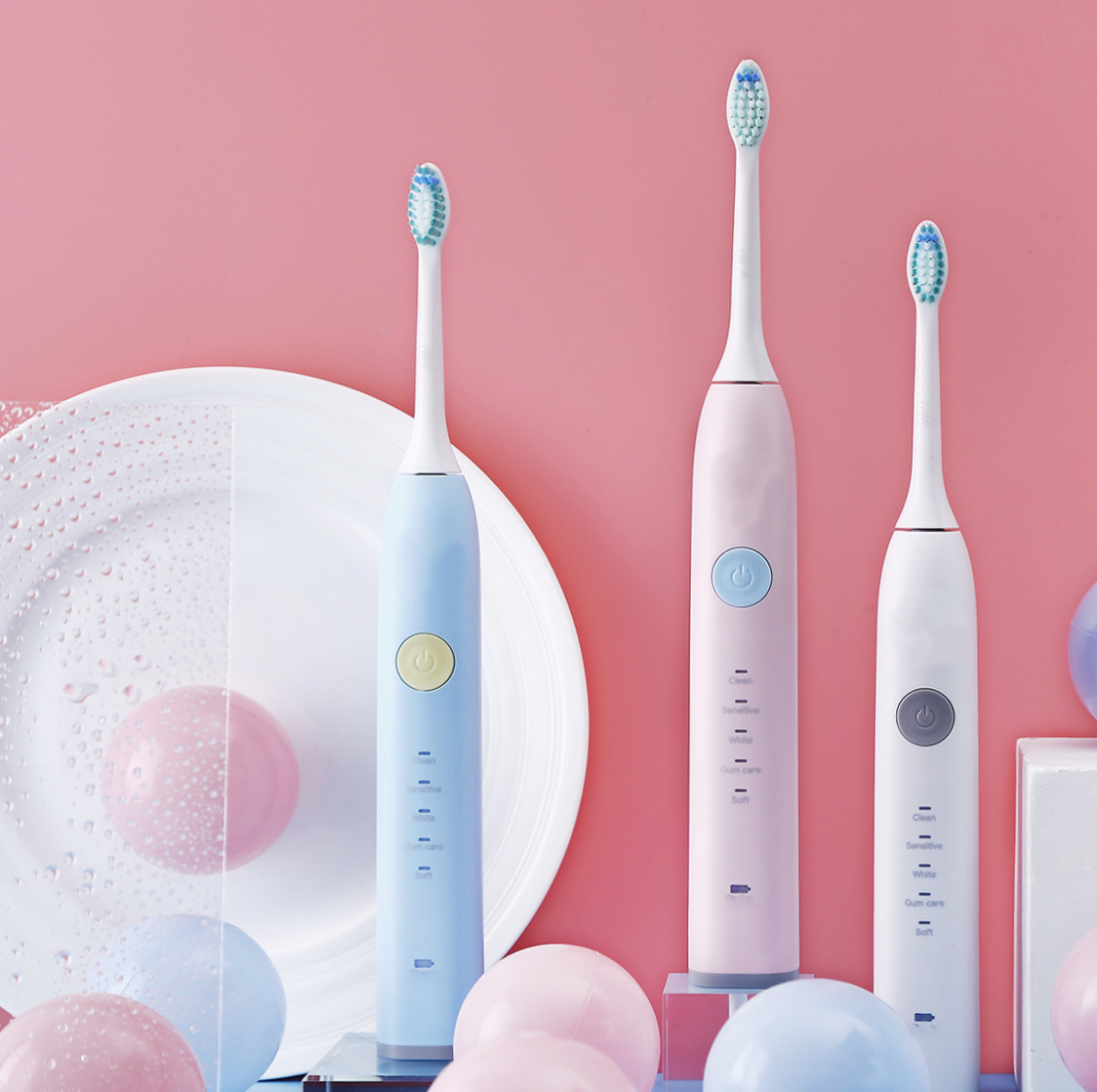
✭Personal care products (toothbrushes, razors, tools)
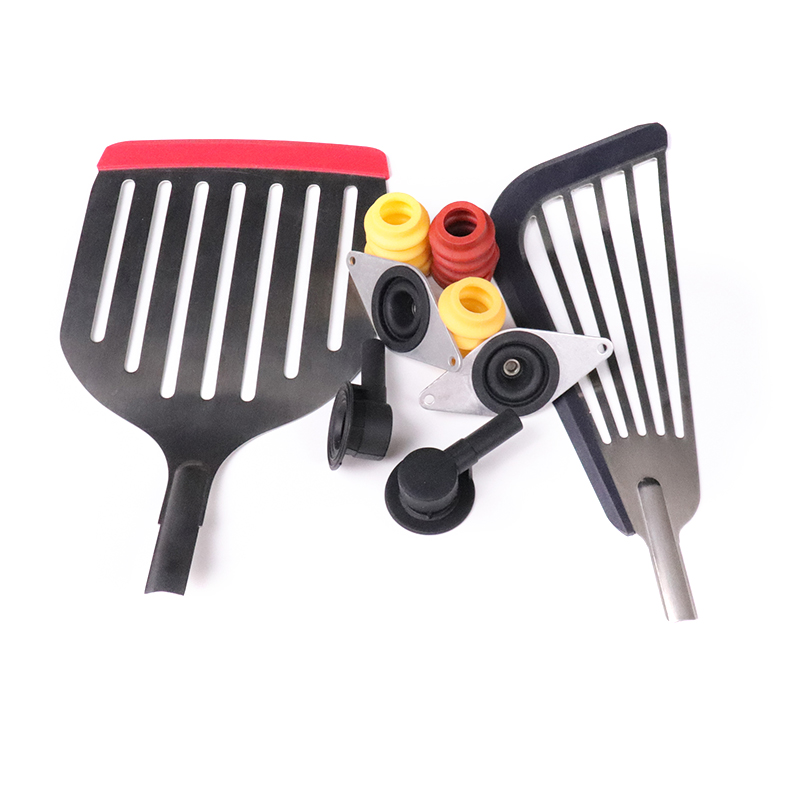
✭Household products (handles, grips, sealing parts)
When Should You Consider Switching Material Systems?
If your current material shows:
✭Sticky or dust-attracting surfaces
✭High appearance defect rate
✭Overmolding instability
✭Inconsistent tactile quality
✭Batch-to-batch variation
→The issue may not be processing condition
→It may be material system architecture limitation
Engineering Support & Material Evaluation
To support material selection and application development, SILIKE provides:
✭ Application-specific material recommendation
✭ Overmolding compatibility evaluation
✭ Real-condition sample testing
✭Process optimization support

As the TPE industry continues to evolve toward higher standards of performance, appearance, and manufacturing efficiency, material innovation is becoming a key driver of competitiveness.
By addressing key limitations such as tacky surfaces, dust attraction, inconsistent processing, and softness–durability trade-offs, SILIKE Si-TPV 2150 Series Non-Tacky Soft Touch Elastomer provides a more stable material system solution for modern elastomer applications.
Looking for a stable non-tacky soft-touch elastomer for your next-generation product design?
✭ Evaluate Si-TPV for your application
✭ Request samples for real production testing
✭ Optimize your overmolding performance with SILIKE engineering support
Please contact the SILIKE team.
Website: www.si-tpv.com
Email: amy.wang@silike.cn
FAQ
1. What is Si-TPV thermoplastic elastomer mainly used for?
Si-TPV 2150 series is designed for soft-touch applications requiring comfort, flexibility, and refined surface aesthetics.
Typical applications include wearable devices, consumer electronics accessories, personal care products, household goods, and overmolding components.
2. Why is Si-TPV different from conventional TPE materials?
Compared with conventional TPE, Si-TPV offers a drier, silky, non-tacky surface with improved long-term stability.
It is also designed to balance soft-touch performance with thermoplastic processing efficiency.
3. How does Si-TPV improve user experience?
Its silky, dry, and non-tacky surface provides a more premium tactile experience, especially for products that are frequently touched, worn, or held.
4. Can low-hardness soft-touch materials still maintain performance?
Yes. Si-TPV 2150-35A is designed to balance softness, elongation, and processing stability.
Final performance depends on product design and application conditions.
5. Where is Si-TPV especially valuable?
It is especially suitable for applications requiring:
✭Long-term soft-touch stability
✭High appearance consistency
✭Overmolding integration
Typical uses include wearable devices, consumer electronics, grips, personal care products, smart accessories, and automotive interiors.
Related News
-

Emerging Haptic Technologies Necessar...
-
What are the existing and emerging al...
-

Innovations made of EVA foam: The Tec...
-
Suppliers of Sustainable and Eco-Frie...
-
How to make apparel and accessories a...
-
A Shower of Solutions: Rethinking Cha...
-
Eco-Comfort: Si-TPV’s Soft Solu...
-
Empowering Electric Vehicles: Innovat...
-
From TPE to Si-TPV: An Attractive in ...
-
Future-Forward Comfort: Exploring Inn...
-

Hand Grip Solutions: Explore differen...
-
How to reduce the hardness and enhanc...
-
3C Electronic Consumer Product Manufa...
-

Challenges and Solutions in Swimming ...
-
Elevating EVA Foam Material: Introduc...
-
Innovating the EVA Foam Market: Trend...
-

Material of Skin-friendly and Elastic...
-
Smart bracelet material selection rev...
-
Si-TPV Soft Elastic Material: The Ide...
-
Si-TPV Heat Transfer Films: Pioneerin...
-
Solutions for Common Overmolding Chal...
-
Say Goodbye to EV Charger Failures: E...
-
Tired of heavy massagers straining yo...
-

The Future of Laminated Fabric: Innov...
-

Solve EVA Foam Challenges
-

Celebrating the 20th anniversary of T...
-

Elevating EVA Foam Performance with S...
-

Ways to enhancing Scratch and Mar Res...
-

New Material Direction for Electric T...
-

Si-TPV Heat Transfer Film: play aroun...
-

Si-TPV Makes Soft Skin-Friendly Comfo...
-

Si-TPV Soft EVA Foam Modifier: Enhanc...
-

Si-TPV Thermoplastic Elastomers Help ...
-
3.jpg)
Si-TPV Thermoplastic Elastomers: Ritu...
-

Si-TPV Thermoplastic Silicone Elastom...
-

Soft Material Solutions for Handheld ...
-

Soft Touch Appeal, Performance Materi...
-

Solving Challenges for EV Charging: W...
-

Sustainable fashion bag solution usin...
-

What are the latest innovations in ve...
-

Addressing the Limitations of Traditi...
-

Are you looking for a sustainable and...
-

Are you looking for upholstery that c...
-

Christmas Greetings and Future Prospe...

