





In consumer electronics, smart wearables, automotive interiors, home robotics and other sectors, polar engineering plastics such as PC, ABS and nylon have become core substrates due to their excellent mechanical properties. Elastomer overmolding is a key process to enhance the grip and protective performance of products. Market demand for overmolding materials has long gone beyond basic cladding, evolving toward high-end requirements of antibacterial and anti-slip performance, skin-friendly dry touch and long-term stability. As a novel elastomer overmolding material, Si-TPV Innovative Elastomer is engineered from the molecular structure level, providing a comprehensive technical solution for the overmolding of polar materials
Technical Limitations of Traditional Overmolding Materials for Polar Materials
At present, the materials widely used for overmolding PC/ABS/nylon in the industry are mainly three types: SEBS-based TPE, inorganic filler-modified TPU and pure TPU. All three types have unavoidable technical shortcomings and cannot meet the high-end overmolding demands:
SEBS-based TPE overmolding materials: As the mainstream overmolding materials, they can achieve basic elastic cladding but have limited compatibility with polar substrates, leading to easy interfacial peeling after long-term use. In addition, the softening characteristic of the materials results in low surface hardness and poor wear resistance, with no antibacterial performance. Blooming and stickiness are prone to occur after use. Anti-slip performance is only achieved through physical textures, and the anti-slip effect completely fails once the textures are worn out.
Inorganic filler-modified TPU: Matte effect is improved by adding fillers such as talc and calcium carbonate, but the weak interfacial adhesion between the fillers and TPU matrix causes easy chalking and migration after overmolding with polar substrates. Meanwhile, the fillers significantly reduce the mechanical properties of the material, including decreased tensile strength and elongation at break, making the overmolding layer prone to embrittlement and cracking. Moreover, there is no antibacterial design, and the low surface friction coefficient results in poor anti-slip performance.
Pure TPU overmolding materials: They have a certain degree of compatibility with polar substrates but feature a high-gloss surface that is prone to fingerprint adhesion and scratches, as well as yellowing under UV irradiation. The touch is relatively hard without dryness, with obvious stickiness when exposed to sweat. Furthermore, no antibacterial and anti-slip modification is applied, failing to meet the functional requirements of high-end scenarios.
The design limitations of traditional materials mean they can only achieve the single function of "basic cladding" and cannot balance surface tactile quality with functionality, becoming a material bottleneck for the R&D of high-end products.


Si-TPV Innovative Elastomer: An Integrated Technical Solution for Polar Material Overmolding
Si-TPV is an innovative elastomer overmolding material developed based on dynamic vulcanization technology. It forms a stable sea-island phase structure by uniformly dispersing 1-3μm cross-linked silicone rubber particles in the matrix. Exclusively designed for polar engineering plastics such as PC, ABS and nylon, it is an integrated overmolding solution that combines substrate compatibility, surface functionality and long-term stability. In addition, the cross-linked silicone rubber particles are permanently anchored in the matrix through a special process, eliminating the possibility of migration and precipitation. This fundamentally solves the performance degradation problem of traditional materials and provides a stable material foundation for surface functionality.
Excellent compatibility with polar substrates: It can directly achieve firm cladding with polar materials such as PC, ABS and nylon without additional modification. The overmolding layer features strong interfacial adhesion, free from peeling and cracking under complex working conditions such as high and low temperatures, bending and impact, and is compatible with mainstream processing technologies including two-shot injection molding and co-extrusion.
Superior antibacterial and anti-slip dual performance: The low surface energy of the silicone phase endows the material with excellent anti-slip performance, maintaining a stable friction coefficient even in wet conditions to prevent slipping during gripping. Meanwhile, the material itself can formulate with antibacterial properties with a bacteriostatic rate meeting industry standards, which can satisfy the hygiene requirements of consumer electronics, medical equipment and other fields.
Skin-friendly and dry touch without stickiness, stable even under high-intensity use: The silicone phase forms a micro-scale enrichment on the material surface, bringing a smooth and delicate skin-friendly touch without stickiness, and the surface is not easy to adsorb dust and sweat. Even under high-frequency and high-intensity use, it can remain dry and the tactile quality will not change.
Durable matte effect without precipitation, better mechanical properties: The moderate refractive index difference between silicone microparticles and the matrix creates a uniform and stable premium matte effect with no fingerprint residue. The matte effect is insensitive to processing fluctuations, ensuring high batch consistency. The cross-linked structure prevents the migration and precipitation of plasticizers and low-molecular substances, so the surface remains non-sticky and free from blooming after long-term use. In addition, its wear and scratch resistance are superior to pure TPU and traditional modified overmolding materials, extending the service life of products
-TPV Innovative Elastomer breaks the performance limitations of traditional overmolding materials from the perspective of material structure, achieving the four-dimensional unification of substrate compatibility, antibacterial and anti-slip functionality, skin-friendly tactile quality and long-term stability, and providing a brand-new material option for high-end polar material overmolding. For customized material solutions including overmolding application schemes, physical property parameters and sample testing services of Si-TPV for polar materials such as PC, ABS and nylon
Contact us via amy.wang@silike.cn or visit www.si-tpv.com explore how to integrate Si‑TPV into your formulations today.
Related News
-

Emerging Haptic Technologies Necessar...
-
What are the existing and emerging al...
-

Innovations made of EVA foam: The Tec...
-
Suppliers of Sustainable and Eco-Frie...
-
How to make apparel and accessories a...
-
A Shower of Solutions: Rethinking Cha...
-
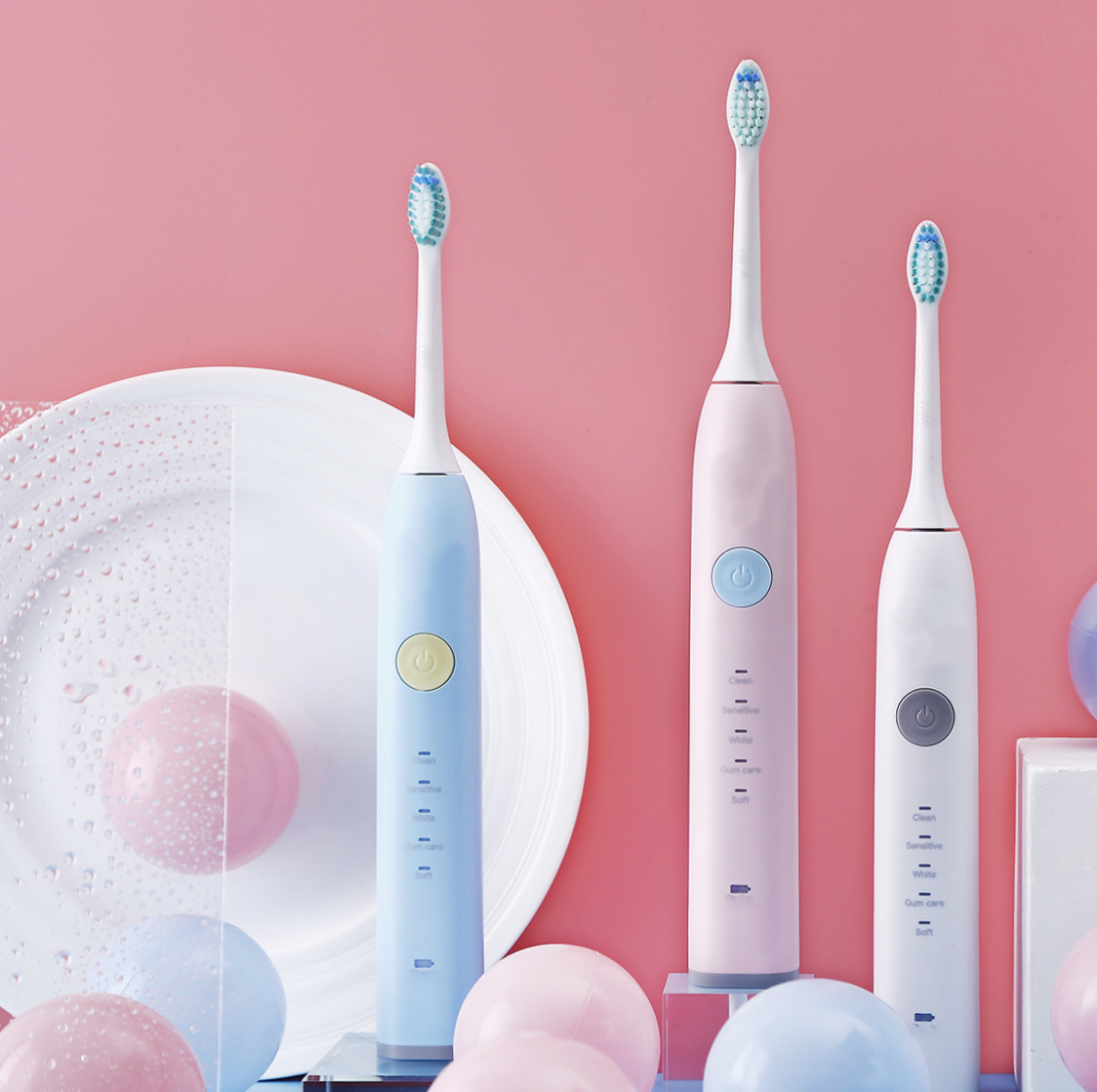
Eco-Comfort: Si-TPV’s Soft Solu...
-

Empowering Electric Vehicles: Innovat...
-
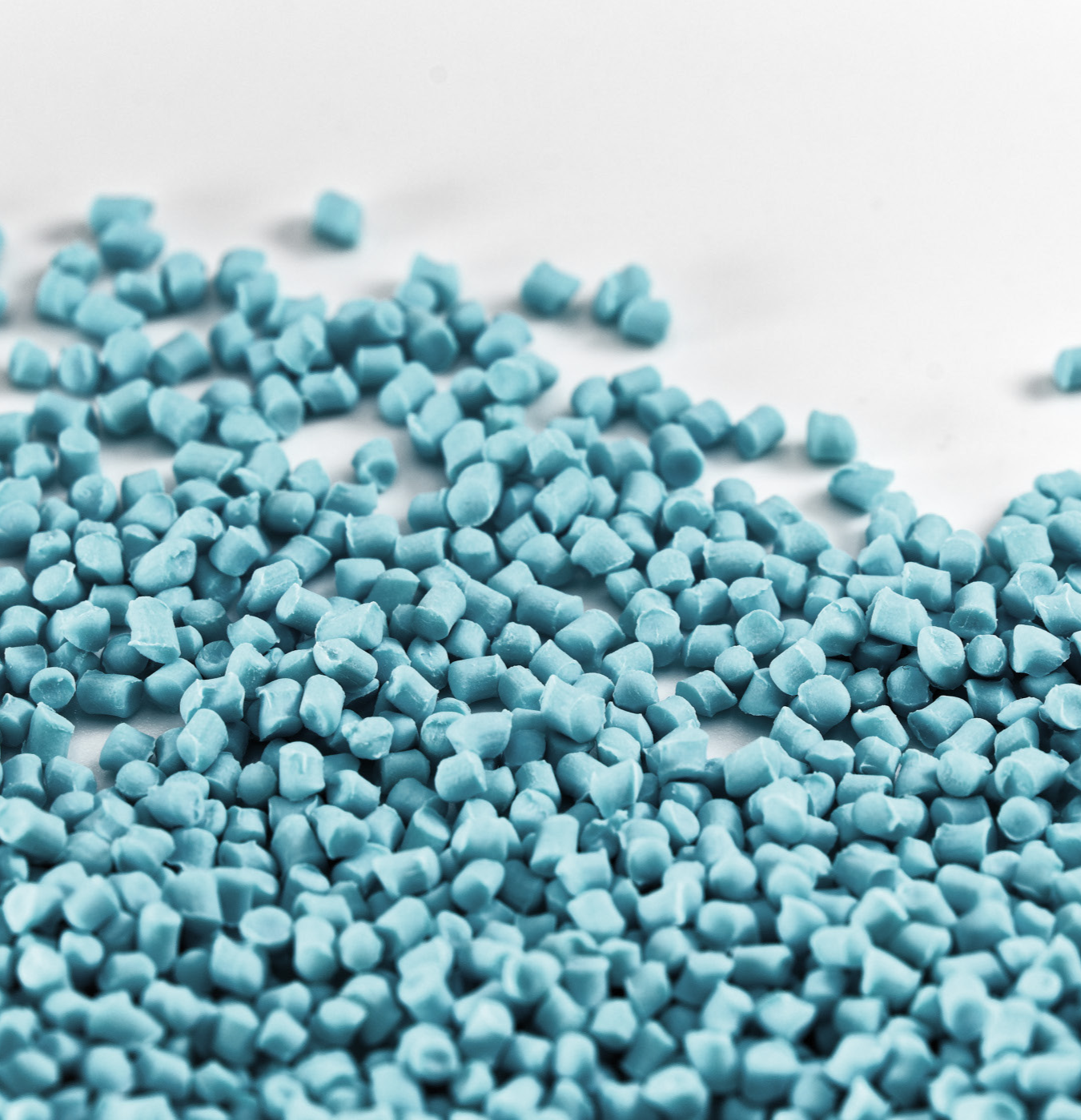
From TPE to Si-TPV: An Attractive in ...
-
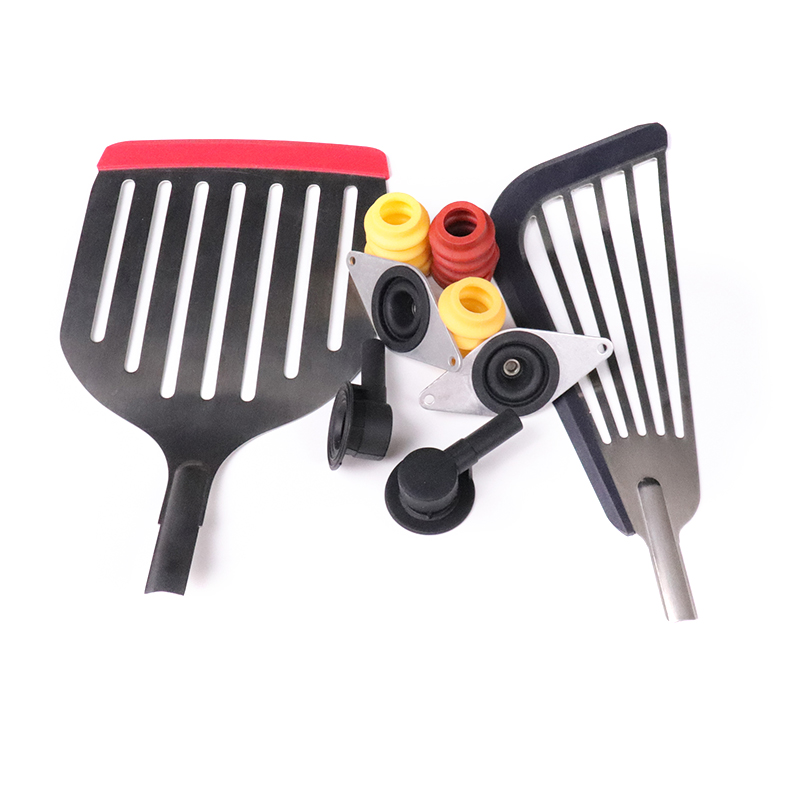
Future-Forward Comfort: Exploring Inn...
-

Hand Grip Solutions: Explore differen...
-
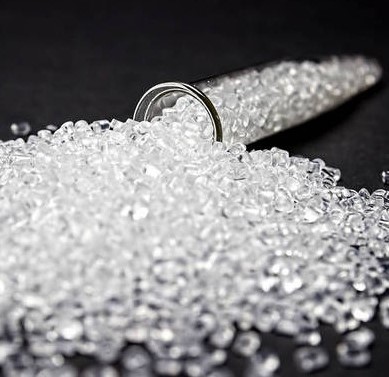
How to reduce the hardness and enhanc...
-
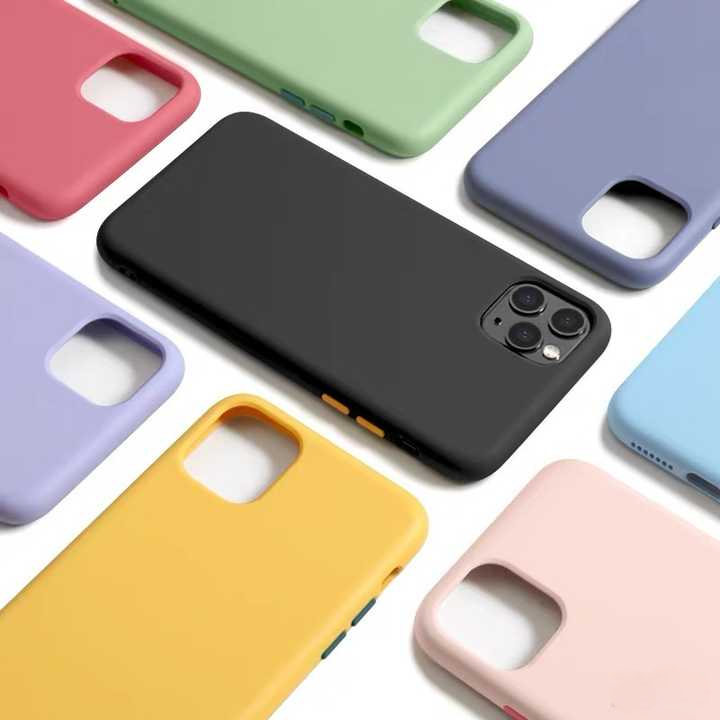
3C Electronic Consumer Product Manufa...
-
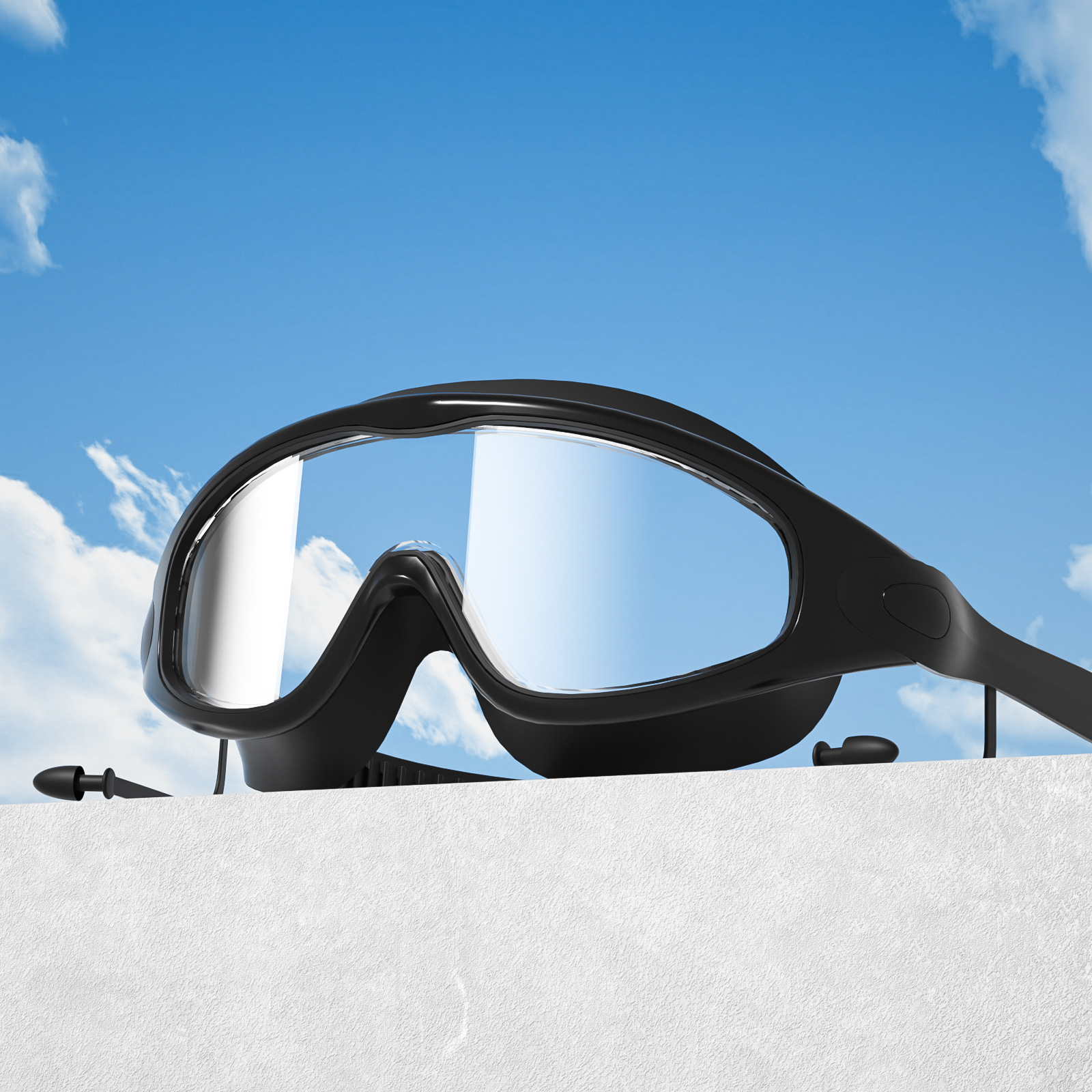
Challenges and Solutions in Swimming ...
-
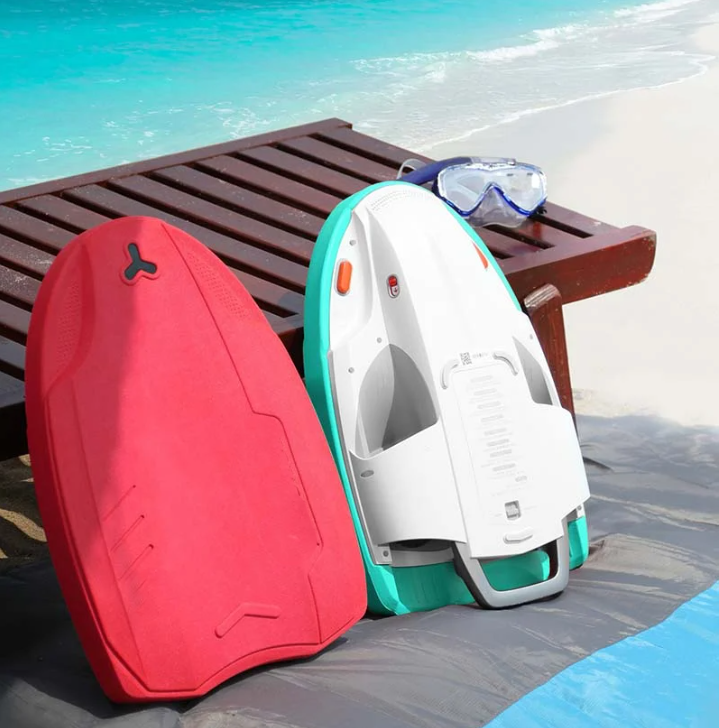
Elevating EVA Foam Material: Introduc...
-
Innovating the EVA Foam Market: Trend...
-

Material of Skin-friendly and Elastic...
-
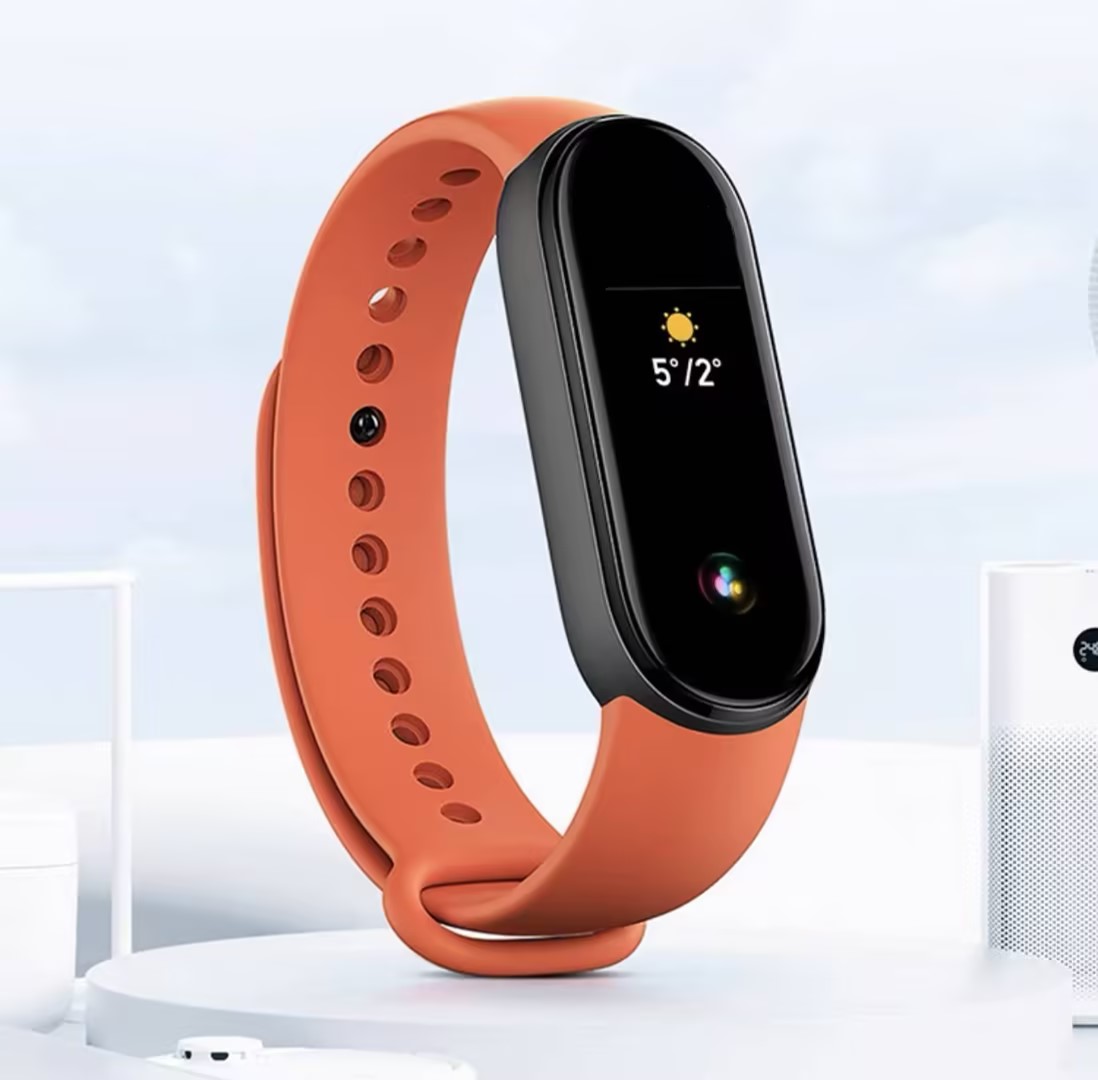
Smart bracelet material selection rev...
-
Si-TPV Soft Elastic Material: The Ide...
-
Si-TPV Heat Transfer Films: Pioneerin...
-
Solutions for Common Overmolding Chal...
-
Say Goodbye to EV Charger Failures: E...
-
Tired of heavy massagers straining yo...
-
The Future of Laminated Fabric: Innov...
-

Solve EVA Foam Challenges
-

Celebrating the 20th anniversary of T...
-

Elevating EVA Foam Performance with S...
-

Ways to enhancing Scratch and Mar Res...
-

New Material Direction for Electric T...
-

Si-TPV Heat Transfer Film: play aroun...
-

Si-TPV Makes Soft Skin-Friendly Comfo...
-

Si-TPV Soft EVA Foam Modifier: Enhanc...
-

Si-TPV Thermoplastic Elastomers Help ...
-
3.jpg)
Si-TPV Thermoplastic Elastomers: Ritu...
-

Si-TPV Thermoplastic Silicone Elastom...
-

Soft Material Solutions for Handheld ...
-

Soft Touch Appeal, Performance Materi...
-

Solving Challenges for EV Charging: W...
-

Sustainable fashion bag solution usin...
-

What are the latest innovations in ve...
-

Silicone Vegan leather, make home sof...
-

The Ideal Pet Collar: Choosing the Ri...
-

The Rise of Sustainable Fashion: Si-T...

