





In the fields of consumer electronics, fashion wearables, personalized automotive interiors and high-end medical aids, 3D printing is completing an industrial upgrade from prototype manufacturing to direct end-product manufacturing, a core development trend of the current 3D printing elastomer industry. Market demand for printed products has broken through the basic functional requirements of "printability and formability", shifting to the dual pursuit of ultimate sensory experience and industrial performance — it is necessary to achieve skin-friendly soft touch and high-end visual texture, while meeting the process and performance standards for precision structure printing and long-term use, which constitutes the core demand for high-end 3D printing applications. As the mainstream consumable for elastomer 3D printing, traditional thermoplastic polyurethane (TPU) filaments face insurmountable technical bottlenecks in balancing printing processability and end-product experience. Si-TPV (thermoplastic vulcanizate silicone) Innovative Elastomer, an advanced filament raw material specially developed for Fused Deposition Modeling (FDM), provides a groundbreaking solution through molecular-level material innovation, emerging as an upgrade direction for high-end 3D printing elastomer consumables.
Core Technical Limitations of Traditional TPU Elastomers in 3D Printing Applications
Relying on its excellent toughness, resilience and wear resistance, TPU has become the mainstream choice for mid-to-low-end 3D printing elastomers. However, restricted by the inherent properties of the material, the technical defects it exposes in high-end application scenarios directly restrict the improvement of product quality and production efficiency:
Inherent contradiction between touch hardness and usage comfort: To ensure interlayer adhesion and structural strength during printing, traditional TPU filaments need to maintain high hardness, resulting in finished products with a stiff hand feel and insufficient flexibility. Prolonged skin contact may cause a sense of pressure, making it impossible to meet the stringent requirements for low-hardness soft touch in wearables, medical aids, personalized grips and other products.
Surface texture shortcomings and post-processing costs: TPU printed parts tend to form obvious filament texture on the surface, with an inherent plastic luster or sticky feel, lacking high-end attributes in both vision and touch. Achieving a matte finish requires post-processing procedures such as spraying and polishing, which not only prolongs the production cycle, but also brings the risk of coating wear and peeling, while increasing environmental protection treatment costs.
Multiple technical challenges in printing processability: Restricted by melt strength and rheological properties, TPU is prone to material buildup at the nozzle orifice during printing, causing problems such as stringing and printing interruption, which directly reduces printing success rate and surface finish. The limitations of its melt flow index (MFI) also restrict the improvement of printing speed, making it difficult to match the large-scale production demand of high-end manufacturing.


Si-TPV Innovative Elastomer: A Material Solution for High-End 3D Printing
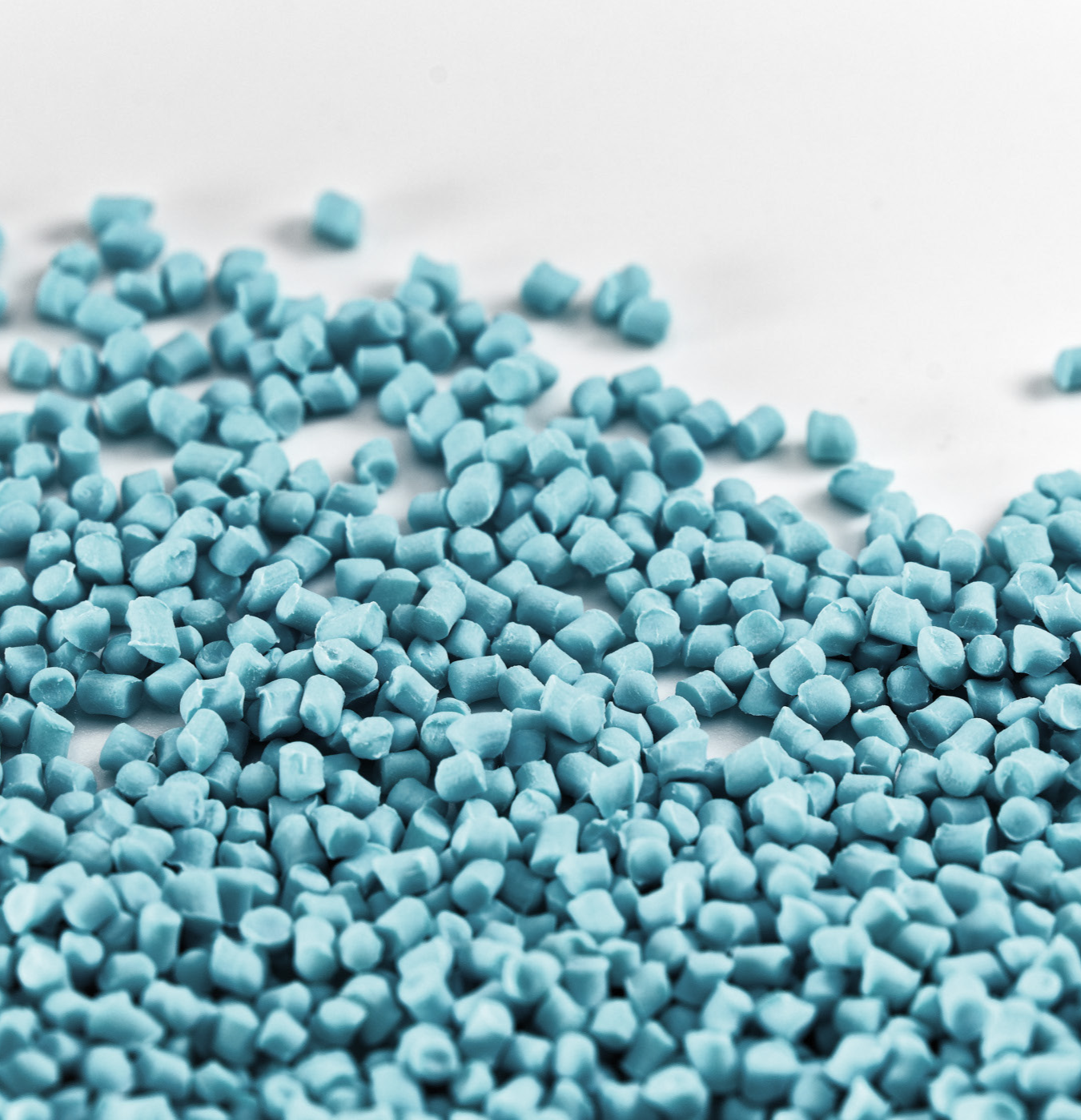
Si-TPV is not a simple chemical modification of TPU, but through dynamic vulcanization cross-linking technology, fully vulcanized silicone rubber microparticles of 1-3μm are uniformly dispersed in thermoplastic resin to form a unique "island structure" — the thermoplastic resin acts as the continuous phase to ensure processability, and the silicone rubber as the dispersed phase endows the product with the excellent performance of silicon-based materials. It realizes the integration of the sensory advantages of silicone rubber and the processing convenience of thermoplastic plastics at the molecular level, forming a systematic technical solution for the pain points of TPU, with three core advantages:
Skin-like touch and controllable hardness: Si-TPV can achieve a wide hardness adjustment range of Shore, and still maintain excellent mechanical properties in the low-hardness range (e.g., Shore A65), realizing "soft rigidity". It not only gives printed products a delicate and smooth skin-like touch, but also provides just the right support and resilience, perfectly adapting to high-end applications in direct contact with the skin. It fundamentally solves the contradiction between hardness and comfort of TPU from the material itself, and can achieve long-term skin-friendly experience without complex post-processing.
Smoother printing process and higher production efficiency: The rheological properties of Si-TPV are designed in a targeted manner, with greatly improved melt lubricity, which can significantly reduce material buildup and stringing at the nozzle orifice, ensuring the stability of long-term continuous printing. Its higher melt flow index makes the material have better fluidity at printing temperature, allowing the appropriate increase of printing speed on the premise of ensuring precision forming, which directly optimizes production efficiency and product yield, and adapts to the industrial production demand of FDM 3D printing.
Native matte texture and long-term stain and weather resistance: Relying on its special surface energy and microstructure, Si-TPV printed parts can naturally present a uniform and delicate matte finish, completely getting rid of the plastic feel and stickiness of traditional elastomers, and achieving high-end attributes of vision and touch in one step. At the same time, the material contains no plasticizers or softening oils, avoiding precipitation problems, and also has the characteristics of low dust absorption, stain resistance and UV aging resistance, maintaining a beautiful appearance after long-term use and greatly reducing the later maintenance cost of products.
With the cross-border integration gene of silicone rubber and thermoplastic plastics, Si-TPV Innovative Elastomer meets both the stringent end-product experience requirements and complex industrial production requirements of high-end 3D printing, becoming a core material driving the upgrade of 3D printing elastomers from "function realization" to "high-end experience creation". We invite colleagues in the industry to jointly explore the application possibilities of Si-TPV in high-end 3D printing customization projects, with material innovation as the core, making the innovation of 3D printing go beyond form and reach the ultimate in sensory experience.
Contact us via amy.wang@silike.cn or visit www.si-tpv.com explore how to integrate Si‑TPV into your formulations today.
Related News
-

Emerging Haptic Technologies Necessar...
-
What are the existing and emerging al...
-

Innovations made of EVA foam: The Tec...
-
Suppliers of Sustainable and Eco-Frie...
-

How to make apparel and accessories a...
-

A Shower of Solutions: Rethinking Cha...
-
Eco-Comfort: Si-TPV’s Soft Solu...
-
Empowering Electric Vehicles: Innovat...
-
From TPE to Si-TPV: An Attractive in ...
-
Future-Forward Comfort: Exploring Inn...
-

Hand Grip Solutions: Explore differen...
-
How to reduce the hardness and enhanc...
-
3C Electronic Consumer Product Manufa...
-

Challenges and Solutions in Swimming ...
-
Elevating EVA Foam Material: Introduc...
-
Innovating the EVA Foam Market: Trend...
-

Material of Skin-friendly and Elastic...
-
Smart bracelet material selection rev...
-
Si-TPV Soft Elastic Material: The Ide...
-
Si-TPV Heat Transfer Films: Pioneerin...
-
Solutions for Common Overmolding Chal...
-
Say Goodbye to EV Charger Failures: E...
-
Tired of heavy massagers straining yo...
-

The Future of Laminated Fabric: Innov...
-

Solve EVA Foam Challenges
-

Celebrating the 20th anniversary of T...
-

Elevating EVA Foam Performance with S...
-

Ways to enhancing Scratch and Mar Res...
-

New Material Direction for Electric T...
-

Si-TPV Heat Transfer Film: play aroun...
-

Si-TPV Makes Soft Skin-Friendly Comfo...
-

Si-TPV Soft EVA Foam Modifier: Enhanc...
-

Si-TPV Thermoplastic Elastomers Help ...
-
3.jpg)
Si-TPV Thermoplastic Elastomers: Ritu...
-

Si-TPV Thermoplastic Silicone Elastom...
-

Soft Material Solutions for Handheld ...
-

Soft Touch Appeal, Performance Materi...
-

Solving Challenges for EV Charging: W...
-

Sustainable fashion bag solution usin...
-

What are the latest innovations in ve...
-

Silicone Vegan leather, make home sof...
-

The Ideal Pet Collar: Choosing the Ri...
-

The Rise of Sustainable Fashion: Si-T...

