





Flexible Film and Synthetic Leather Manufacturers Need More Than Softness
Flexible films and synthetic leather materials are widely used in consumer products, protective coverings, automotive interiors, bags, upholstery, and technical textiles. However, manufacturers face several practical challenges when developing materials that combine a comfortable surface feel with reliable long-term performance.
For flexible films, a material may offer good elasticity but still feel relatively stiff or plastic-like during handling. Thin films can also experience surface defects, inconsistent dispersion, or insufficient crease recovery. In applications involving frequent skin contact, a smooth, soft, and non-tacky surface becomes particularly important.
Synthetic leather manufacturers face a different but related set of challenges. The surface must feel comfortable while resisting scratches, dirt, discoloration, and repeated handling. Yellowing can affect the appearance of light-colored leather, while surface tackiness and unwanted migration can reduce the perceived quality of finished products over time.
These requirements are becoming increasingly relevant as material suppliers and manufacturers respond to changing chemical regulations and product transparency expectations.
For example, the European Union's PFHxA restriction under Regulation (EU) 2024/2462 began applying to specified consumer product categories on October 10, 2026. The restriction covers certain uses of PFHxA, its salts, and related substances in products including clothing, accessories, and footwear. It is a targeted chemical restriction rather than a general ban on all PFAS.
At the same time, the European Commission is developing Digital Product Passport requirements for textile products under the Ecodesign for Sustainable Products Regulation (ESPR), with the textile delegated act currently planned for Q4 2027. This direction places greater emphasis on product information, traceability, and sustainability-related data across textile supply chains.
Sources: European Commission, REACH Restrictions; Textile Apparel and the Digital Product Passport.
Against this background, SILIKE Si-TPV thermoplastic silicone-based elastomers offer material options for developing soft-touch flexible films and silicone vegan leather with improved surface performance.
Si-TPV for Flexible Films: Improving Soft Touch, Flexibility, and Surface Durability
Flexible film applications require a balance between softness, elasticity, surface quality, and processing stability. Conventional TPU films provide flexibility and mechanical strength, but some formulations may not deliver the soft, rubber-like tactile experience required for premium consumer and skin-contact applications.
SILIKE Si-TPV 3100 Series provides a material option for addressing these challenges.
Si-TPV 3100-55A: Enhancing Soft-Touch Performance in TPU Films
Si-TPV 3100-55A is particularly relevant to TPU film modification and blown-film extrusion applications. It can be incorporated into TPU formulations to improve the perceived softness, elastomeric feel, and flexibility of the resulting film.
Unlike conventional approaches that rely primarily on changing the base TPU hardness, Si-TPV 3100-55A introduces a silicone-based elastomeric component into the TPU system. This helps manufacturers develop films with a more comfortable tactile feel while maintaining the underlying TPU material structure.
Its potential benefits include improved soft-touch characteristics, better drapability, and enhanced crease resistance. These properties are useful in flexible protective films, wearable-related films, and other products that are repeatedly folded, handled, or placed in contact with skin.
Processing conditions are particularly important for thin films. In SILIKE's technical evaluation of approximately 3 mil (76.2 μm) TPU films, dispersion uniformity was identified as an important factor affecting surface appearance. Minor micro-speckle defects may occur under certain processing conditions.
The evaluation also found that using a 250–300 mesh filtration screen during melt compounding and pelletizing can help reduce larger agglomerates and improve dispersion consistency. Film thickness and additive dosage should also be optimized according to the required appearance and mechanical properties.
Manufacturers should additionally consider optical performance. The silicone dispersed phase may moderately affect film transparency and haze, depending on formulation and processing conditions.
For applications where a soft, flexible, and comfortable surface is more important than maximum optical clarity, Si-TPV 3100-55A offers an interesting formulation direction.
Si-TPV 3100-60A: Soft, Stain-Resistant, and Low-VOC Film Materials
For manufacturers seeking a more comprehensive balance of tactile comfort and surface durability, Si-TPV 3100-60A is another candidate worth evaluating.
The Si-TPV 3100 Series features a soft, slippery texture, low VOC emissions, stain resistance, and resistance to yellowing. It is designed for processing methods including extrusion and injection molding, with films and artificial leather among its intended applications.
In flexible film applications, these characteristics address several common requirements.
The soft surface provides a more pleasant feel during repeated handling. Its stain resistance helps reduce the impact of everyday dirt and surface contamination, making cleaning and maintenance easier. Its resistance to yellowing is also relevant to light-colored films and products where long-term appearance matters.
For applications requiring frequent skin contact, manufacturers should also evaluate the surface after thermal aging and repeated use to ensure that it maintains the required non-tacky feel.
Si-TPV 3100-60A has a listed Shore A hardness of approximately 61, tensile strength of 8.03 MPa, elongation at break of 574.71%, and melt index of 46.22 g/10 min under the published test conditions (190°C/10 kg).
These values provide a starting point for formulation and processing evaluation. Actual film performance will depend on the formulation, processing conditions, and final film thickness.

Si-TPV for Silicone Vegan Leather: Combining Skin-Friendly Touch with Surface Durability
Silicone vegan leather manufacturers must consider more than appearance. A premium leather-like surface should remain comfortable during everyday use and withstand repeated contact, friction, stains, and environmental exposure.
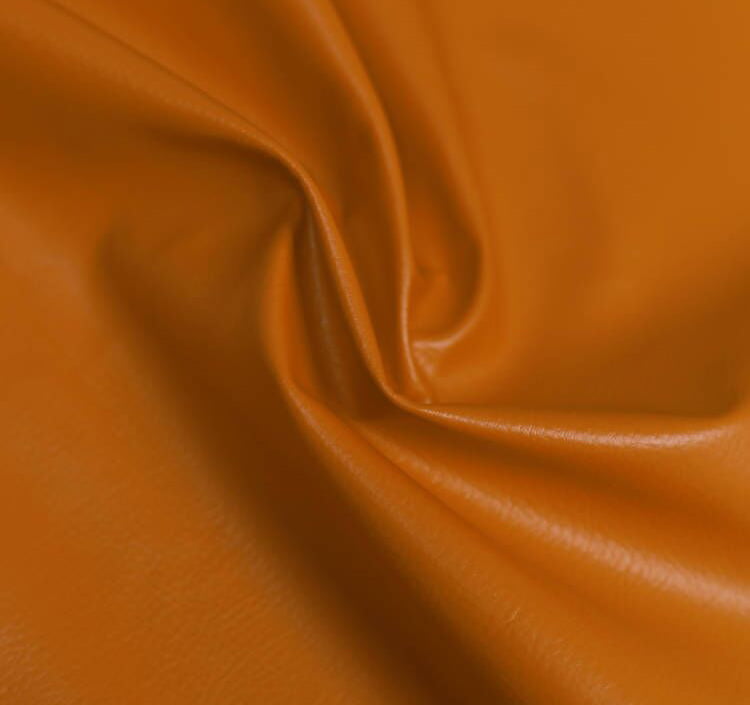
SILIKE Si-TPV Silicone Vegan Leather is designed to provide an animal-free leather solution with a premium aesthetic, soft skin-friendly touch, and ultra-low VOC characteristics.
Its application possibilities include bags, footwear, automotive interiors, upholstery, marine interiors, and textile-related products.
Si-TPV 3510-65A: Developing Soft and Durable Silicone Leather Surfaces
Si-TPV 3510-65A can be evaluated for silicone vegan leather surface-layer development.
In a leather composite structure, the Si-TPV surface layer contributes to the tactile experience and appearance, while the backing fabric provides additional structural support.
This combination allows manufacturers to develop flexible leather-like materials with different textures, colors, thicknesses, and backing constructions.
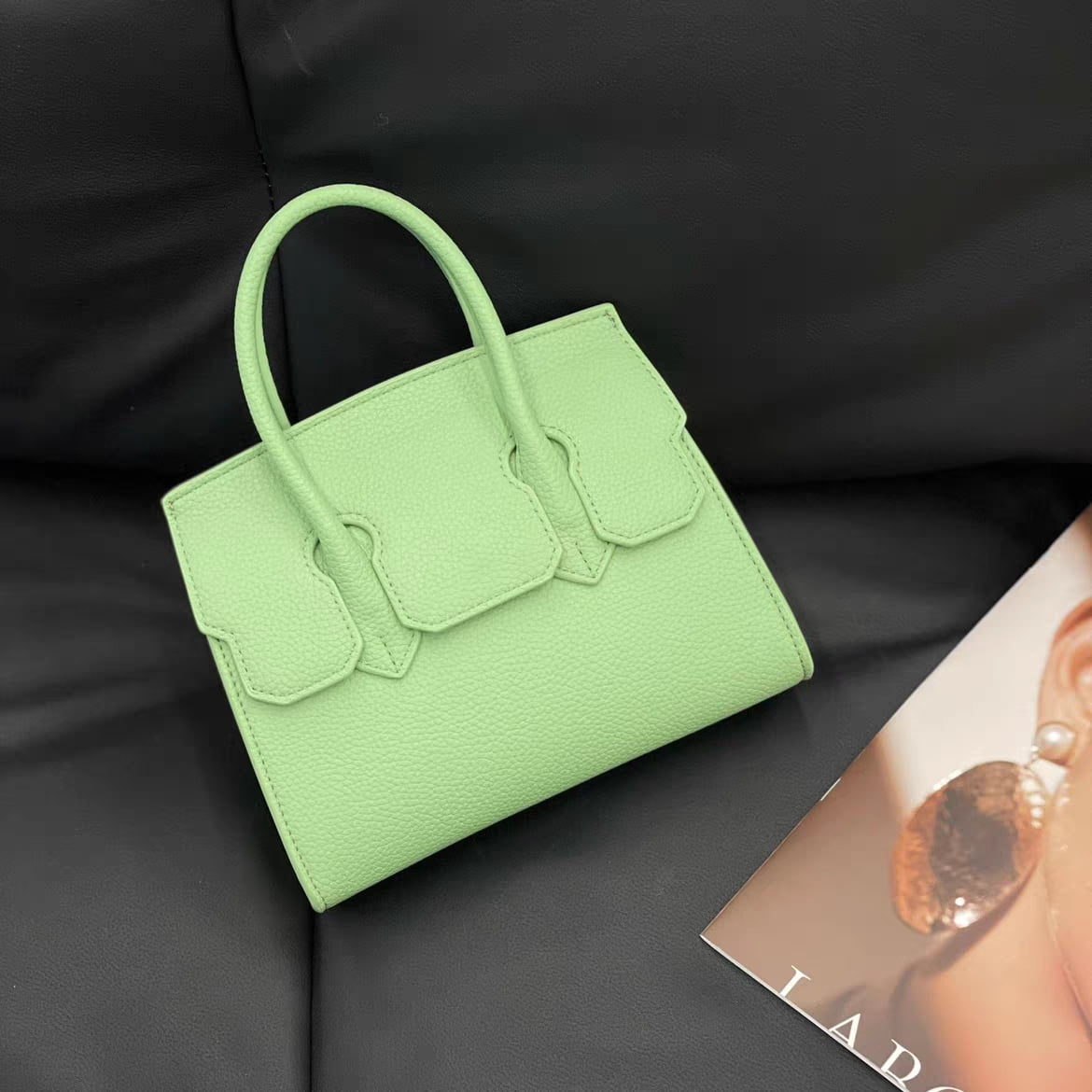
For example, a thin Si-TPV surface layer combined with a microfiber or textile backing can be considered for handbags, decorative coverings, and other products requiring a soft leather-like appearance.
The material development focus is to achieve a comfortable skin-friendly surface while maintaining resistance to everyday stains, scratches, and discoloration.
For light-colored leather, resistance to yellowing is especially important because even moderate discoloration can affect the finished product's appearance. Manufacturers should evaluate color stability under UV exposure, heat aging, and the actual conditions expected during product use.
Surface tackiness and migration are also important considerations. A leather material should retain a clean, dry surface rather than becoming sticky or leaving unwanted residues after prolonged use. Formulation composition and long-term aging performance should therefore be evaluated together.
Si-TPV 3510-65A is a candidate for this leather surface application, with the final formulation and composite structure requiring confirmation through processing trials.
Si-TPV 3520-60A: Improving Scratch Resistance, Abrasion Resistance, and Weatherability
For leather applications where surface durability is a major concern, Si-TPV 3520-60A provides another material option.
The Si-TPV 3520 Series combines the soft, silky feel of silicone with the strength and toughness of thermoplastic elastomers. Its product characteristics include hydrophobicity, stain resistance, weather resistance, abrasion resistance, and scratch resistance.
These properties are relevant to leather products exposed to frequent handling and surface friction.
For handbags and accessories, repeated contact with clothing, other objects, and daily-use items can gradually affect the appearance of the leather surface. In automotive and upholstery applications, friction, sunlight, temperature changes, and regular cleaning create additional demands.
Si-TPV 3520-60A can be considered when manufacturers want to improve the balance between a premium soft-touch experience and surface durability.
Its published specifications include approximately 59 Shore A hardness, 42.6 MPa tensile strength, 962% elongation at break, and a melt index of 1.3 g/10 min under the specified test conditions.
However, its suitability for a particular leather coating or film process should be confirmed through processing trials. The relatively low melt index compared with the 3100-60A grade also makes process-specific evaluation important.
For leather manufacturers, 3510-65A and 3520-60A can be evaluated as complementary candidates, depending on the required surface structure, processing route, and durability targets.
Key Performance Requirements for Flexible Films and Silicone Vegan Leather
The performance requirements of flexible films and synthetic leather overlap in several areas, but the importance of individual properties varies according to the end application.
Skin-Friendly Soft Touch
A soft, smooth surface improves the tactile experience of products that come into direct or repeated contact with skin. Si-TPV 3100 Series provides a soft and silky surface feel that can be considered for flexible films and artificial leather.
Stain Resistance and Easy Cleaning
Surface contamination from skin oils, dust, cosmetics, and everyday handling can affect the appearance of films and leather products. The stain-resistant characteristics of the Si-TPV 3100 and 3520 Series support the development of surfaces that are easier to maintain.
Low VOC Emissions
Low VOC emissions are particularly relevant to automotive interiors, upholstery, bags, and other products used in enclosed environments or frequently handled by consumers. Si-TPV 3100 Series offers low-VOC material options for manufacturers seeking to improve material selection.
Actual VOC results should be verified using the applicable testing methods and finished-product requirements.

Resistance to Yellowing
Color stability is important for white, beige, pastel, and other light-colored products. Si-TPV 3100 Series features resistance to yellowing, while Si-TPV 3520 Series provides UV and weather resistance that can be evaluated for outdoor and light-exposed applications.
Scratch and Abrasion Resistance
For leather surfaces, scratches and friction can reduce the perceived quality of finished products. Si-TPV 3520 Series is particularly relevant where abrasion resistance and scratch resistance are important design requirements.
Reduced Migration and Non-Tacky Surface Performance
Traditional soft-touch formulations may rely on plasticizers or softening oils, which can contribute to migration-related surface problems in some material systems.
Selected Si-TPV formulations offer an alternative material approach without relying on conventional plasticizers and softening oils. For film and leather applications, manufacturers should verify the formulation's composition and conduct aging, surface tack, and migration-related tests to confirm long-term performance.
Developing Better Flexible Film and Leather Materials with SILIKE Si-TPV

Flexible films and silicone vegan leather are expected to deliver more than basic flexibility and appearance. Manufacturers increasingly need materials that feel comfortable, remain clean during everyday use, and maintain their surface quality over time.
SILIKE Si-TPV provides different material options to address these requirements.
From Si-TPV 3100-55A for soft-touch TPU film modification to Si-TPV 3100-60A for flexible films and artificial leather, as well as Si-TPV 3510-65A and 3520-60A for silicone leather surface development, each grade offers a different approach to balancing tactile comfort and surface performance.
By matching the material grade with the film extrusion or leather lamination process, manufacturers can develop flexible film and leather products with improved soft-touch characteristics, stain resistance, surface durability, and long-term appearance.
Looking for a suitable Si-TPV material for your flexible film or silicone vegan leather project?
Contact the SILIKE Silicone Materials Team to discuss your substrate, processing method, film thickness, leather structure, and required performance. Our team can help evaluate suitable grades and material solutions for your application.
Contact the SILIKE Silicone Materials Team to discuss your stationery material requirements and explore suitable Si-TPV grades for your next product development project.
SILIKE Silicone Materials Team
Website: https://www.si-tpv.com/
Email: amy.wang@silike.cn
Inquiry: Available via official website contact form
Related News
-

Emerging Haptic Technologies Necessar...
-
What are the existing and emerging al...
-

Innovations made of EVA foam: The Tec...
-
Suppliers of Sustainable and Eco-Frie...
-
How to make apparel and accessories a...
-
A Shower of Solutions: Rethinking Cha...
-
Eco-Comfort: Si-TPV’s Soft Solu...
-
Empowering Electric Vehicles: Innovat...
-
From TPE to Si-TPV: An Attractive in ...
-
Future-Forward Comfort: Exploring Inn...
-

Hand Grip Solutions: Explore differen...
-
How to reduce the hardness and enhanc...
-
3C Electronic Consumer Product Manufa...
-

Challenges and Solutions in Swimming ...
-
Elevating EVA Foam Material: Introduc...
-
Innovating the EVA Foam Market: Trend...
-
Material of Skin-friendly and Elastic...
-
Smart bracelet material selection rev...
-
Si-TPV Soft Elastic Material: The Ide...
-
Si-TPV Heat Transfer Films: Pioneerin...
-
Solutions for Common Overmolding Chal...
-
Say Goodbye to EV Charger Failures: E...
-
Tired of heavy massagers straining yo...
-
The Future of Laminated Fabric: Innov...
-

Solve EVA Foam Challenges
-

Celebrating the 20th anniversary of T...
-

Elevating EVA Foam Performance with S...
-

Ways to enhancing Scratch and Mar Res...
-

New Material Direction for Electric T...
-

Si-TPV Heat Transfer Film: play aroun...
-

Si-TPV Makes Soft Skin-Friendly Comfo...
-

Si-TPV Soft EVA Foam Modifier: Enhanc...
-

Si-TPV Thermoplastic Elastomers Help ...
-

Si-TPV Thermoplastic Elastomers: Ritu...
-

Si-TPV Thermoplastic Silicone Elastom...
-

Soft Material Solutions for Handheld ...
-

Soft Touch Appeal, Performance Materi...
-

Solving Challenges for EV Charging: W...
-

Sustainable fashion bag solution usin...
-

What are the latest innovations in ve...
-

Addressing the Limitations of Traditi...
-

Are you looking for a sustainable and...
-

Are you looking for upholstery that c...
-

Christmas Greetings and Future Prospe...

