





Industrial Material Innovation: Why Surface Feel and Durability Matter More Than Ever
Industrial material manufacturers are facing increasingly complex requirements as products become more functional, frequently handled, and design-oriented. Beyond traditional mechanical properties such as tensile strength, flexibility, and abrasion resistance, manufacturers are paying greater attention to surface feel, scratch resistance, stain resistance, long-term cleanliness, and the stability of material performance during everyday use.
These requirements are particularly relevant to consumer electronics, flexible industrial tubing, decorative components, and thermoplastic polymer modification. Electronic accessories need comfortable, durable surfaces that resist fingerprints and scratches. Flexible hoses must combine flexibility with easy-clean surfaces and, in certain applications, verified food-contact compliance. Laser-engraved components require consistent surface quality, color stability, and reliable marking results, while plastic compounders are looking for effective ways to improve the tactile properties and surface durability of TPU and TPE materials.
Recent regulatory developments also reinforce the importance of product durability. On November 3, 2026, the European Commission launched a public consultation on possible future ecodesign requirements to make products easier to repair, including certain consumer electronics, wearables, and peripherals. The initiative is intended to support longer product lifetimes and reduce waste. Although it does not prescribe specific elastomer materials, it highlights the growing importance of durability and maintainability in product development.
Against this background, SILIKE Si-TPV (Thermoplastic Silicone Vulcanizate) offers a material platform for manufacturers seeking to combine silicone-like tactile comfort with thermoplastic processing capabilities. With its soft, silky surface, stain resistance, scratch resistance, and non-sticky characteristics, Si-TPV can be evaluated for a variety of industrial applications, from soft-touch electronic components to flexible tubing and polymer surface modification.
What Is Si-TPV? A Thermoplastic Silicone Elastomer for Durable Soft-Touch Surfaces
SILIKE Si-TPV is a dynamically vulcanized thermoplastic silicone-based elastomer that combines a thermoplastic polymer matrix with uniformly dispersed, cross-linked silicone rubber phases.
This material structure helps combine the flexibility and processing advantages of thermoplastic elastomers with the softness and distinctive surface feel associated with silicone rubber.
Unlike conventional soft-touch solutions that may rely on plasticizers, softening oils, or additional surface coatings, Si-TPV is designed to provide a long-lasting silky, skin-friendly touch directly through the material itself. Its non-sticky surface characteristics, resistance to dirt and stains, and reduced tendency toward migration and surface blooming make it an interesting option for applications where tactile quality and long-term surface stability are important.
Depending on the grade and application, Si-TPV offers several useful characteristics:
Silky, skin-friendly touch: A smooth and comfortable surface for frequently handled products.
Non-sticky surface: Helps maintain a dry, pleasant feel during prolonged use.
Scratch and abrasion resistance: Supports surface durability in applications exposed to repeated handling and friction.
Stain resistance and easy cleaning: Helps maintain a cleaner appearance during everyday use.
Reduced migration and blooming: Its polymer-integrated structure helps minimize the surface migration associated with conventional low-molecular-weight additives.
Colorability and surface design flexibility: Supports different color requirements and selected secondary processing techniques.
Thermoplastic processability: Can be processed using suitable conventional thermoplastic methods, including injection molding and extrusion.
Depending on the product grade, Si-TPV can be used as a standalone thermoplastic elastomer, an overmolding material, or a functional modifier for selected TPU and TPE formulations.

Si-TPV for Industrial Applications
Silky Soft Touch, Scratch Resistance, and Non-Sticky Performance
Addressing Surface Challenges in Consumer Electronics and Industrial Electronic Components
Electronic products are increasingly designed around user experience, compact structures, and premium surface finishes. From wearable devices and electronic accessories to control panels, protective housings, and connecting components, manufacturers need materials that combine comfortable handling with reliable surface performance.
However, conventional soft-touch materials may encounter several challenges during prolonged use. Some elastomer surfaces can become sticky, attract dust, show visible scratches, or lose their original tactile quality after repeated contact with skin oils, sweat, and environmental contaminants.
For electronic products that are handled frequently, these problems can affect both product appearance and the perceived quality of the finished component.
How Si-TPV Improves Electronic Product Materials
SILIKE Si-TPV thermoplastic silicone elastomers provide a material option for developing soft-touch electronic components with a combination of tactile comfort and surface durability.
The silky, skin-friendly surface helps improve the handling experience of electronic accessories, while its non-sticky characteristics and stain resistance support cleaner surfaces during daily use. Its scratch and abrasion resistance can also help reduce visible surface damage caused by repeated handling and friction.
Another important consideration is the reduction of reliance on additional soft-touch coatings or surface oils. By integrating the desired tactile properties into the material itself, manufacturers can explore alternative material designs that simplify surface treatment requirements.
Depending on the substrate and selected grade, Si-TPV can be evaluated for overmolding onto suitable rigid plastics, allowing manufacturers to combine structural support with flexible, comfortable contact surfaces.
Potential Industrial and Electronic Applications
Si-TPV can be evaluated for a variety of electronic components, including:
Smartwatch straps, wearable device accessories, and fitness tracker components.
Earphone housings, headphone contact surfaces, and electronic accessory parts.
Soft-touch protective cases and electronic device housings.
Electronic control buttons, knobs, and operating panels.
Protective sleeves and flexible components for electronic cables.
For example, Si-TPV 2150 Series can be considered for suitable PP substrates, while Si-TPV 3100 Series and Si-TPV 3521-70A can be evaluated for selected PC- and ABS-based overmolding applications. Actual adhesion and performance depend on the substrate grade, component design, and molding conditions.
By combining silky touch, scratch resistance, stain resistance, and non-sticky surface characteristics, Si-TPV provides manufacturers with additional material options for developing durable soft-touch electronic products.
Skin-Friendly Touch, Stain Resistance, and Easy-Clean Surfaces
Evolving Material Requirements for Flexible Industrial and Consumer Hoses
Flexible hoses are widely used in household appliances, personal care equipment, sanitary products, industrial fluid transfer systems, and food-processing equipment.
Depending on their intended use, these products must balance flexibility, surface durability, cleaning convenience, and resistance to repeated bending and handling.
For hoses that frequently come into contact with users, a soft, smooth, skin-friendly surface can improve the overall handling experience. At the same time, manufacturers need to address common surface issues such as scratching, dirt accumulation, stickiness, and the migration of certain formulation ingredients.
In hygiene-sensitive and food-related applications, material compliance becomes another critical consideration.
Why Consider Si-TPV for Flexible Hose Applications?
SILIKE Si-TPV thermoplastic silicone elastomers offer a combination of softness, flexibility, silky surface feel, and resistance to dirt and stains.
For flexible hose manufacturers, these characteristics can support the development of products with more comfortable handling and easier surface maintenance.
The non-sticky surface helps maintain a pleasant tactile experience, while the material's reduced tendency toward migration and blooming can be beneficial for applications where long-term surface stability matters.
Depending on the selected formulation, Si-TPV can be evaluated for both single-layer extrusion and multilayer hose structures.
For single-layer hoses, the material needs to meet the required flexibility, dimensional stability, pressure resistance, and processing requirements. For multilayer hoses, Si-TPV may be evaluated as an outer layer or a designated functional layer, with attention to interlayer adhesion and compatibility.
Potential Applications of Si-TPV Flexible Hose Materials
Potential application areas include:
Personal care equipment hoses and flexible connecting tubes.
Shower and sanitary hoses.
Household appliance connecting hoses.
Flexible tubing for selected industrial equipment.
Food and beverage processing hoses, subject to regulatory qualification.
Flexible tubes requiring a comfortable, easy-clean exterior surface.
Si-TPV 3100 Series and 2150 Series can be considered as starting points for material evaluation, depending on the required hardness, extrusion behavior, flexibility, and surface performance.
Important Consideration: Food-Contact Compliance
Food-contact safety is an essential requirement for certain flexible hose applications, but it cannot be established simply by describing a material as non-sticky, plasticizer-free, or low-migration.
For food-contact hoses, manufacturers must evaluate the complete formulation, including the selected Si-TPV grade, pigments, processing aids, additional layers, and manufacturing conditions.
For products targeting the European market, relevant requirements include Framework Regulation (EC) No 1935/2004 and applicable specific measures, such as Regulation (EU) No 10/2011 for plastic food-contact materials. Good manufacturing practice requirements under Regulation (EC) No 2023/2006 must also be considered.
The European Food Safety Authority explains that food-contact materials must not transfer constituents into food at levels that could endanger human health or cause unacceptable changes in food composition, taste, or odor.
Therefore, any Si-TPV-based food-contact hose application requires specific regulatory assessment and migration testing under the intended conditions of use. Compliance should only be claimed after the relevant finished material or article has been properly evaluated.
Soft Touch, Colorability, and Surface Durability
Combining Material Tactility with Decorative and Functional Laser Processing
Laser engraving and laser marking are increasingly used in industrial product manufacturing for identification, traceability, branding, and decorative surface design.
Compared with certain conventional printing and labeling methods, laser marking can provide durable markings without requiring printing inks, labels, or other consumable marking materials.
For industrial components, electronic housings, buttons, and decorative accessories, laser processing also offers opportunities for flexible product customization and permanent surface identification.
However, achieving consistent results depends on the compatibility between the polymer formulation, laser wavelength, processing parameters, color, and desired marking contrast.
Exploring Si-TPV for Laser-Engraved Soft-Touch Components
SILIKE Si-TPV combines a silky, skin-friendly surface with good colorability and the possibility of selected secondary processing techniques.
These properties make Si-TPV an interesting candidate for evaluating soft-touch components that require both tactile comfort and decorative surface processing.
For example, Si-TPV can be explored in colored electronic buttons, soft-touch control components, equipment handles, and customized elastomer accessories.
Its resistance to yellowing, scratching, and staining can also be relevant when the finished product needs to retain its original appearance during repeated use.
The Si-TPV product platform supports different color designs and secondary processing methods, including carving, screen printing, pad printing, and painting. However, these capabilities should not be interpreted as universal laser compatibility across all grades.
Potential Applications
Potential applications for laser-engraved Si-TPV components include:
Soft-touch electronic buttons and control components.
Decorative electronic housings and accessories.
Industrial equipment handles and functional buttons.
Customized elastomer components with logos or patterns.
Automotive and consumer product decorative parts.
Depending on the required surface effect, Si-TPV 3100, 2150, and 3520 Series may be considered for initial material screening.
What Should Manufacturers Evaluate Before Laser Engraving Si-TPV?
Laser engraving performance is highly dependent on material formulation and processing conditions. Before commercial production, manufacturers should conduct application-specific trials to evaluate laser wavelength, power, scanning speed, marking contrast, edge definition, and potential thermal damage.
Color selection also matters. Different pigments and formulations can produce different responses under the same laser conditions.
In addition, manufacturers should examine whether laser processing affects the original surface feel, stain resistance, scratch resistance, or long-term appearance.
The goal is not simply to achieve a visible marking, but to develop a finished product that combines clear and consistent laser patterns with the desired soft-touch performance.
Improving Soft Touch, Scratch Resistance, and Surface Cleanliness
The Growing Need for Better Surface Performance in Polymer Compounding
For plastic compounders and polymer manufacturers, improving surface quality without sacrificing the original properties of the base polymer is an ongoing formulation challenge.
TPU and TPE materials are widely used in flexible industrial products, electronic accessories, cables, sporting goods, and soft-touch components. Although these materials offer useful elasticity and processing flexibility, certain formulations may experience surface stickiness, insufficient scratch resistance, dust attraction, or changes in tactile performance during prolonged use.
Traditional approaches may involve silicone oils, plasticizers, waxes, or additional surface treatments. However, depending on the chemistry and formulation, some low-molecular-weight additives may migrate, bloom, or affect the consistency of surface properties over time.
This has encouraged compounders to explore polymer modifiers that can provide more stable surface characteristics.
Si-TPV Additive Series: A Polymer Modifier for Silky Soft Surfaces
SILIKE Si-TPV Additive Series is designed as a functional polymer modifier for selected TPU and TPE formulations.
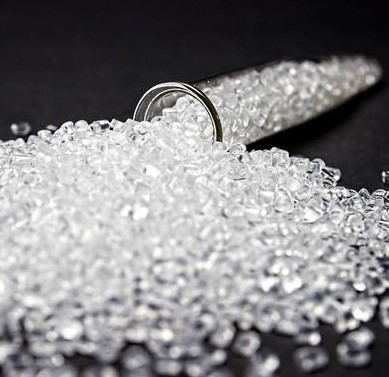
Unlike conventional liquid silicone oils or traditional low-molecular-weight slip agents, Si-TPV is supplied in thermoplastic pellet form and can be incorporated through suitable polymer compounding processes.
Its dynamically vulcanized structure allows silicone rubber phases to be dispersed within the thermoplastic system. The material is designed to become physically integrated into compatible polymer formulations, helping reduce migration and surface blooming.
When appropriately formulated, Si-TPV Additive Series can help improve:
Soft-touch performance: Creates a silky, smooth, skin-friendly surface.
Non-sticky characteristics: Helps reduce surface tackiness during prolonged use.
Scratch and abrasion resistance: Supports improved resistance to repeated surface contact.
Stain resistance: Helps maintain a cleaner surface appearance.
Surface durability: Supports more consistent tactile properties over time.
Material softness: Can help reduce the hardness of selected TPU and TPE formulations.
The Si-TPV Additive Series is particularly relevant to compounders seeking to develop soft-touch TPU compounds and TPE materials without relying solely on additional surface coatings or migrating softening agents.
Potential Applications of Si-TPV Polymer Modifiers
Depending on polymer compatibility, formulation, and processing conditions, Si-TPV Additive Series can be evaluated in:
TPU compounds: Soft-touch electronic accessories, flexible cables, protective sleeves, and selected flexible tubing formulations.
TPE compounds: Ergonomic grips, sporting goods, household components, and soft-touch industrial parts.
Specialty polymer formulations: Selected applications requiring a balance of surface softness, scratch resistance, and stain resistance.
For manufacturers, the key is to determine the appropriate Si-TPV grade and addition level according to the base polymer, processing method, and final product requirements.
It is also important to distinguish Si-TPV Additive Series from conventional silicone masterbatch products. Si-TPV is a thermoplastic silicone-based elastomer modifier, not simply a silicone oil or a conventional low-molecular-weight slip additive. Its main value lies in improving the tactile and surface characteristics of compatible polymer systems.

Developing Better Automotive Materials with SILIKE Si-TPV
As automotive interiors continue to evolve, material suppliers and component manufacturers need solutions that address multiple performance requirements simultaneously.
From silicone vegan leather and steering wheel covers to door panels, center consoles, floor mats, and trunk liners, SILIKE Si-TPV provides a range of material options for developing soft-touch, durable, and easy-to-maintain automotive interior components.
By combining skin-friendly comfort, low-VOC material options, scratch resistance, stain resistance, and reduced migration risk, Si-TPV helps manufacturers explore alternatives to conventional soft-touch materials.
For automotive applications requiring additional hygiene functionality, selected antibacterial Si-TPV formulations offer another material option.
Looking for a suitable Si-TPV material for your industrial application?
Contact the SILIKE Silicone Materials Team to discuss your polymer substrate, processing method, target hardness, and surface performance requirements.
SLIKE Silicone Materials Team
Website: https://www.si-tpv.com/
Email: amy.wang@silike.cn
Inquiry: Available via official website contact form
Related News
-

Emerging Haptic Technologies Necessar...
-
What are the existing and emerging al...
-

Innovations made of EVA foam: The Tec...
-
Suppliers of Sustainable and Eco-Frie...
-
How to make apparel and accessories a...
-
A Shower of Solutions: Rethinking Cha...
-
Eco-Comfort: Si-TPV’s Soft Solu...
-
Empowering Electric Vehicles: Innovat...
-
From TPE to Si-TPV: An Attractive in ...
-
Future-Forward Comfort: Exploring Inn...
-

Hand Grip Solutions: Explore differen...
-
How to reduce the hardness and enhanc...

