





As humanoid robots move closer to real-world applications, the materials used to cover their bodies are becoming increasingly important. Beyond appearance, robotic skin must support comfortable human-robot interaction, withstand repeated movement and contact, and maintain reliable performance during long-term use. These evolving requirements are driving interest in flexible materials that combine a soft, skin-like touch with durability and functional performance.
From October 21 to 23, 2026, the 2026 (2nd) China Humanoid Robot Frontier Technology and Innovative Materials Summit will take place in Shanghai, China. Jointly organized by Humanoid Robot Insights Research, Embodied Intelligence Online, National Automotive Supply Chain Platform, and Caihui Intelligent Manufacturing, the event will bring together more than 300 participants from across the humanoid robot supply chain for technical presentations, discussions, and product demonstrations.
Chengdu Silike Technology Co., Ltd. (SILIKE) will participate in the summit with a product showcase, presenting its material solutions for emerging applications in humanoid robotics and other advanced industries.
As a company specializing in high-performance elastomer materials, SILIKE has developed its proprietary Si-TPV technology platform to address the evolving needs of flexible materials. For humanoid robots, Si-TPV silicone-based thermoplastic elastomers offer a material option for developing a new generation of robotic skin—one that prioritizes soft-touch comfort, functional performance, and durability.
Why Humanoid Robots Need a New Generation of Skin Materials
Humanoid robot skin is more than an exterior covering. It is part of the robot's physical interface with people and its surrounding environment. Whether covering the torso, protecting moving joints, or providing grip at the end effector, flexible materials must balance tactile comfort with practical requirements for repeated contact and movement.
Traditional flexible materials may present challenges such as attracting dust, wearing down during use, feeling too hard, or providing insufficient grip. These issues can affect the appearance, tactile experience, and functional reliability of robotic surfaces.
As humanoid robots expand into more interactive environments, material selection becomes an important consideration in the design of their outer coverings. Manufacturers need flexible materials that deliver a softer touch without overlooking strength, wear resistance, and application-specific performance.
Si-TPV: Combining Silicone-Like Softness with Thermoplastic Strength
SILIKE Si-TPV is a silicone-based thermoplastic elastomer developed for applications requiring a combination of soft-touch characteristics and mechanical performance. Designed for flexible applications such as humanoid robot skin and joint coverings, it combines a silicone-like, skin-friendly feel with the strength and toughness associated with thermoplastic materials.
This combination provides a material foundation for robotic surfaces that need to feel softer and more comfortable while supporting demanding functional applications.
Key material considerations include:
Soft, skin-friendly touch: A silicone-like tactile feel for robot surfaces that come into contact with people.
Durability: A combination of softness and toughness to support practical robotic covering applications.
Grip-oriented performance: Potential for use in anti-slip coverings for robotic end effectors.
Application versatility: Suitability for exploring different covering requirements across the robot's body, moving joints, and end-effectors.
The actual performance of a selected grade should be evaluated against the target application, substrate, processing conditions, and required service environment.

Flexible Si-TPV Solutions for Humanoid Robot Application
For full-body coverings, tactile quality and surface durability are important factors in creating a more refined exterior. Si-TPV provides a flexible material option for developing soft-touch robotic skin, helping manufacturers explore surface designs that balance a skin-like feel with the practical demands of everyday contact.
Humanoid robot joints undergo repeated movement and may experience continuous contact with surrounding objects. Flexible covering materials must accommodate movement while maintaining their intended function. Si-TPV can be considered for joint-covering applications where flexibility, tactile properties, and mechanical performance need to be assessed together.
End-effectors interact directly with objects during gripping and manipulation. In these applications, surface grip and wear performance are important considerations. Si-TPV offers a potential material solution for anti-slip coverings, with grade selection and application testing needed to confirm suitability for specific gripping tasks.

Advancing the Tactile Experience of Humanoid Robots
As humanoid robotics develops, the definition of high-quality robotic skin is expanding beyond visual appearance. The feel of a surface, its resistance to everyday wear, and its ability to perform consistently in the intended application all contribute to the overall design.
By combining silicone-like softness with thermoplastic strength and toughness, Si-TPV offers a flexible material approach to the next generation of humanoid robot skin. Its potential applications across full-body coverings, moving joints, and end-effector surfaces provide manufacturers with additional options when developing more comfortable and functional robotic exteriors.
At the 2026 (2nd) China Humanoid Robot Frontier Technology and Innovative Materials Summit, SILIKE will showcase its material solutions and exchange insights with industry professionals on the evolving requirements of humanoid robotics.
SILIKE is committed to exploring flexible material solutions that help bridge material innovation, tactile experience, and practical robotic applications.
Interested in flexible Si-TPV material solutions for humanoid robot skin, joint coverings, and anti-slip end-effectors? Contact the SILIKE team to discuss your application requirements and explore suitable material solutions.
SLIKE Silicone Materials Team
Website: https://www.si-tpv.com/
Email: amy.wang@silike.cn
Inquiry: Available via official website contact form
Related News
-

Emerging Haptic Technologies Necessar...
-
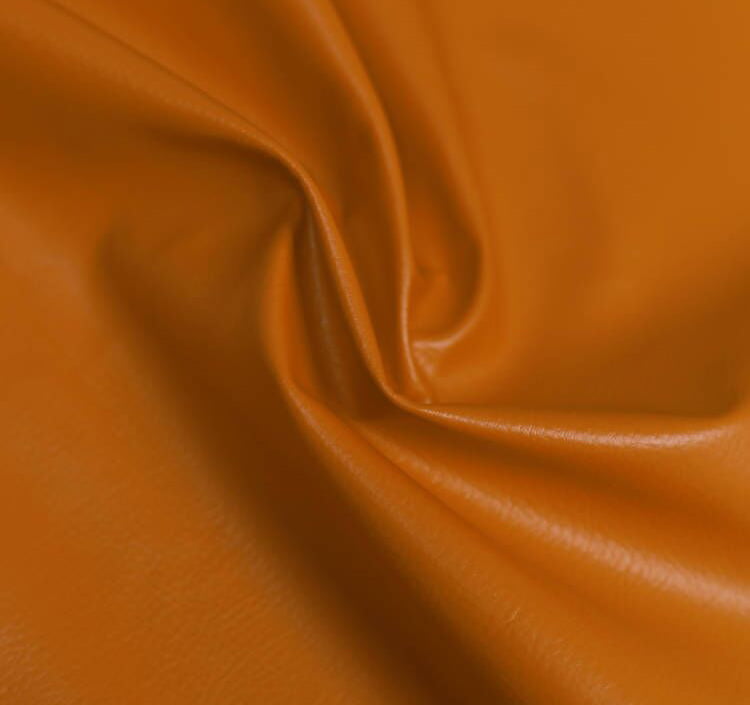
What are the existing and emerging al...
-

Innovations made of EVA foam: The Tec...
-
Suppliers of Sustainable and Eco-Frie...
-
How to make apparel and accessories a...
-
A Shower of Solutions: Rethinking Cha...
-
Eco-Comfort: Si-TPV’s Soft Solu...
-

Empowering Electric Vehicles: Innovat...
-
From TPE to Si-TPV: An Attractive in ...
-
Future-Forward Comfort: Exploring Inn...
-

Hand Grip Solutions: Explore differen...
-
How to reduce the hardness and enhanc...

